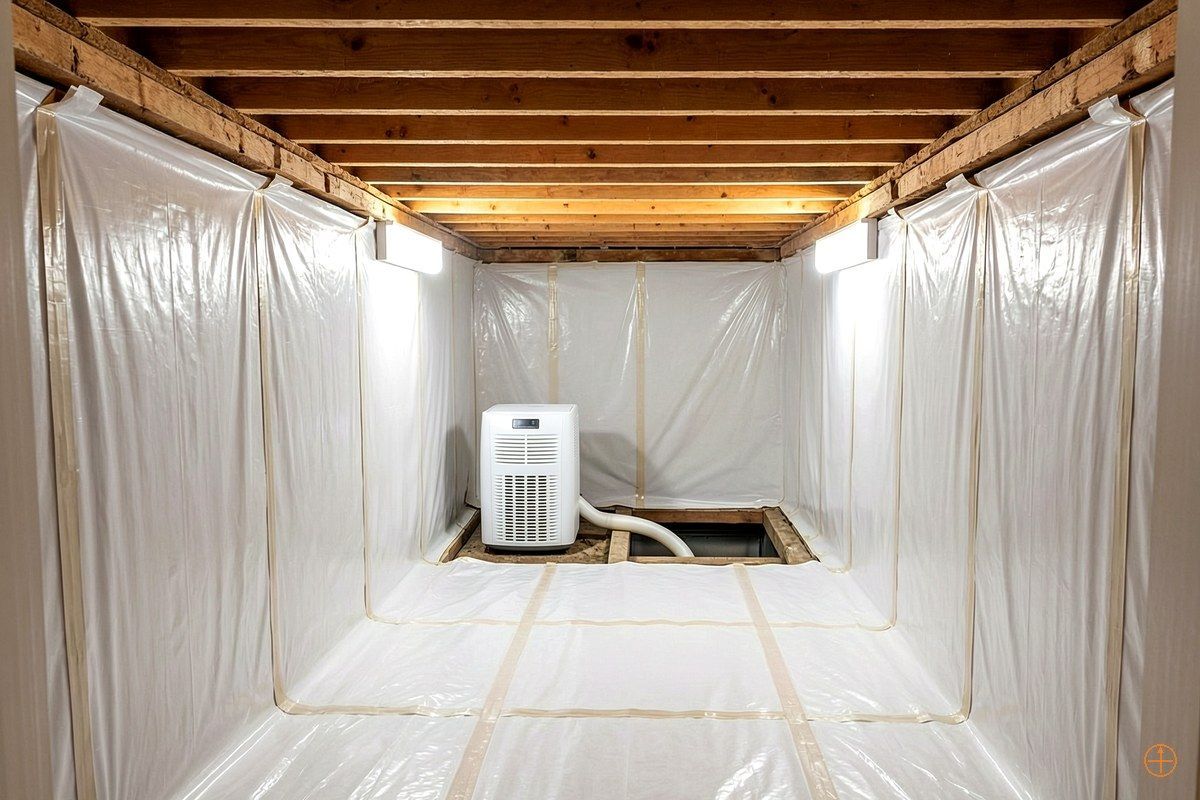



Tenant Improvement Allowance Guide for Georgia Business Owners
Who pays, how the money flows, and how to walk into your lease negotiation knowing your real number.
Here's something most first-time commercial tenants discover a little too late: the landlord will often help pay for your buildout.
It's called a tenant improvement allowance — TI allowance, or just "TI" if you want to sound like you've done this before — and understanding how it works is the difference between negotiating your Atlanta lease like a seasoned operator... and leaving tens of thousands of dollars sitting on the landlord's side of the table.
So let's walk through it together.
By the end of this guide, you'll know exactly what a TI allowance is, who pays for what, how the money actually flows, and how to make sure every dollar of it lands in your finished space.
What Is a Tenant Improvement Allowance?
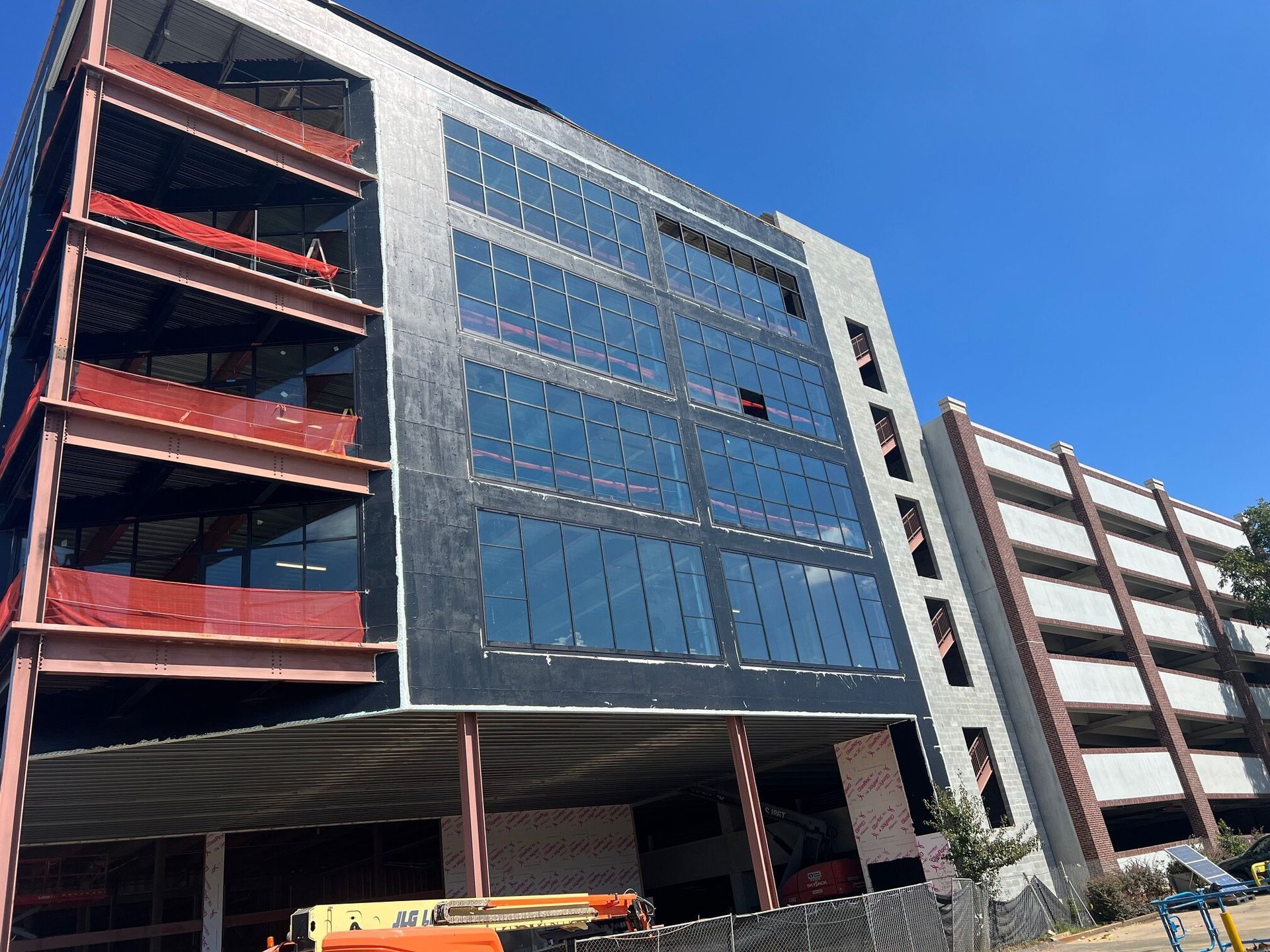
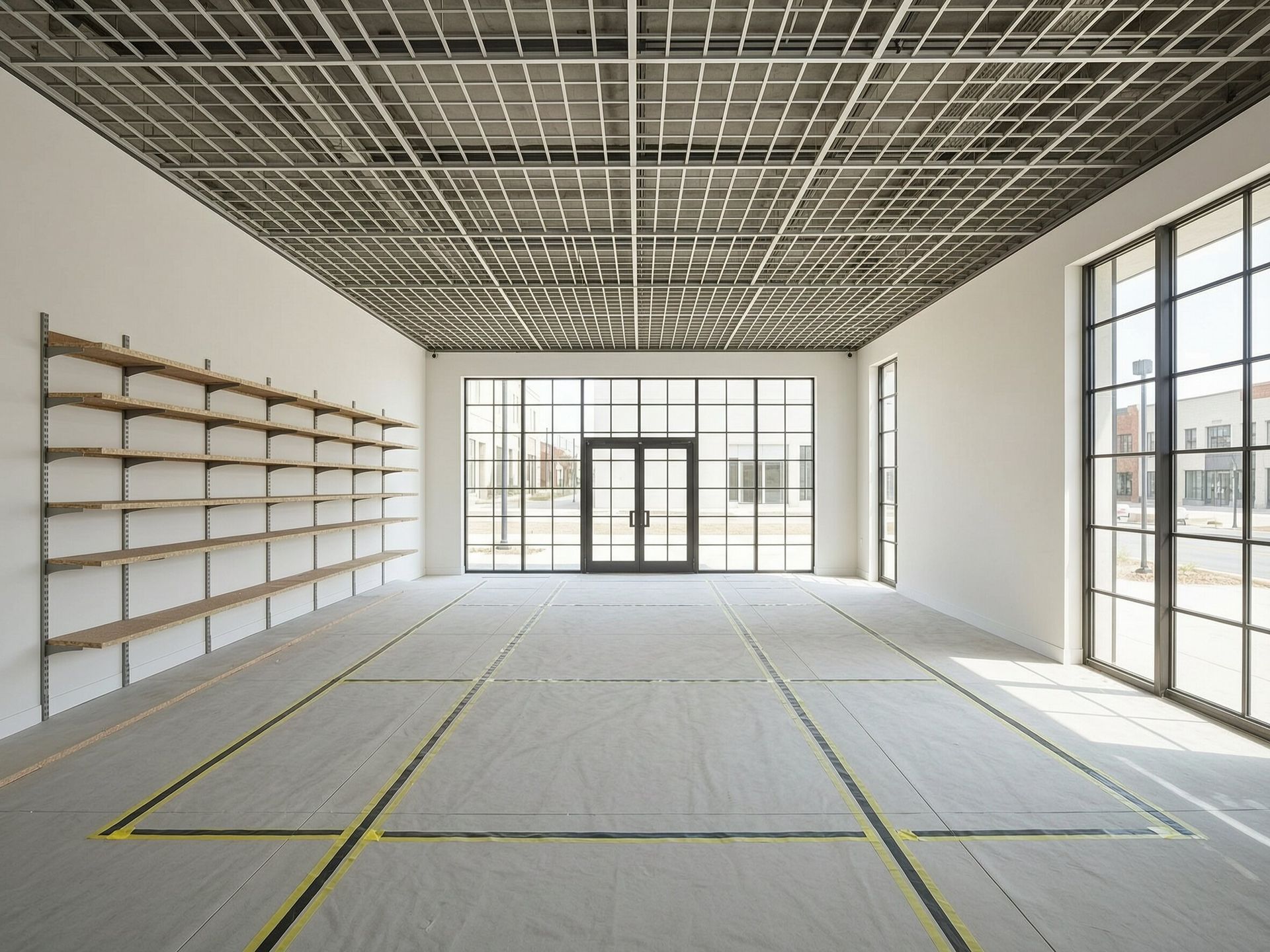
A tenant improvement allowance is money your landlord contributes toward building out your leased space — turning a bare shell, a vanilla box, or a previous tenant's leftover layout into a space configured for YOUR business.
It's usually expressed one of two ways: → A dollar amount per square foot (for example, $30 per square foot on a 3,000 sq ft space = $90,000 toward your buildout) → A flat lump sum negotiated into the lease.
Why would a landlord hand you money?
Simple — a built-out, occupied space with a long-term tenant is worth far more than an empty shell.
Your buildout raises the value of their building.
You're not asking for a favor.
You're negotiating a business arrangement where both sides win.
Who Pays for What: The Part Everyone Gets Wrong
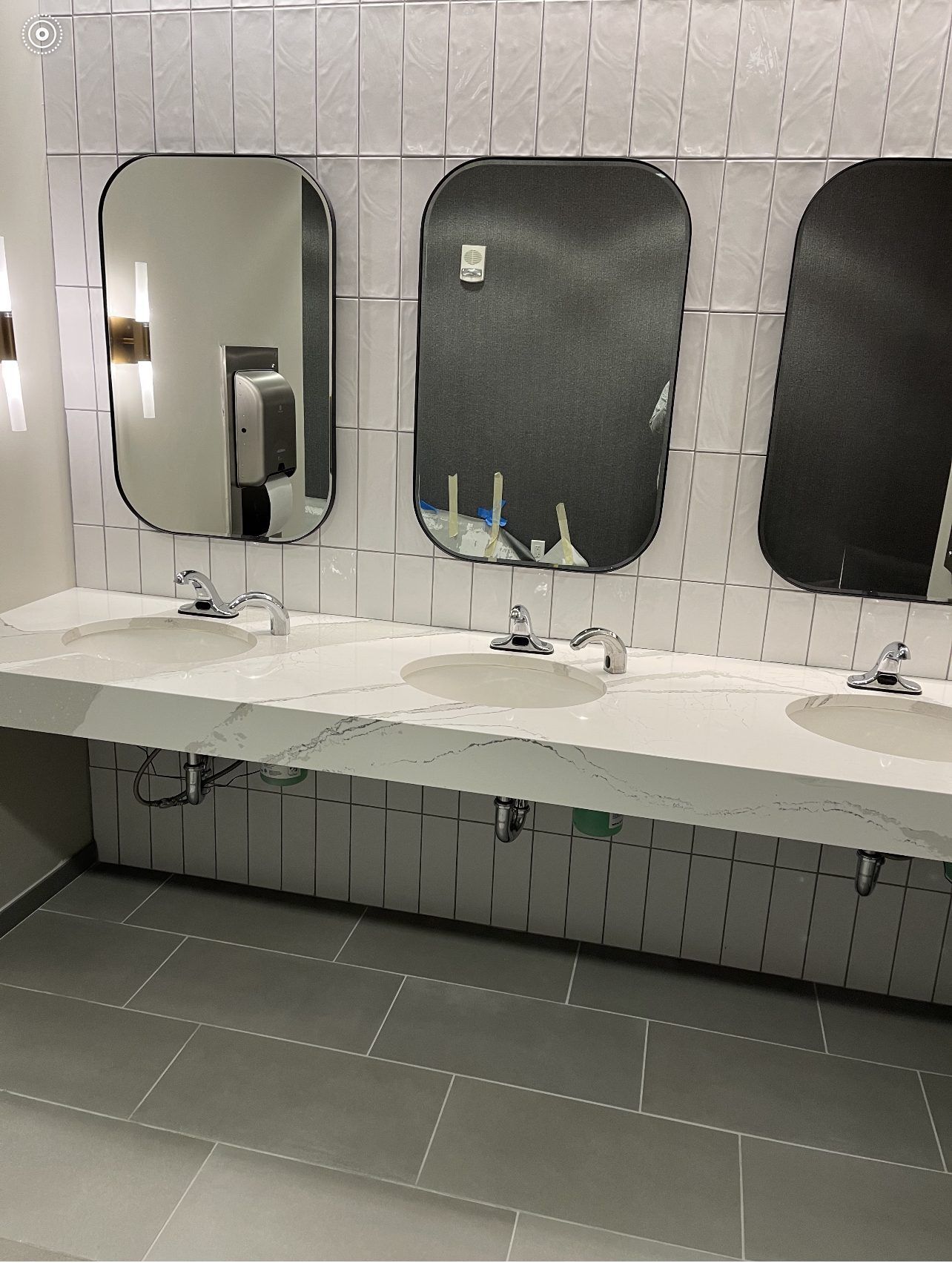
The TI allowance almost never covers everything.
Knowing where the line falls keeps your budget honest from day one.
Landlord's allowance typically covers:
→ Walls, flooring, ceilings, and paint
→ Electrical, lighting, and HVAC modifications
→ Plumbing rough-ins and restroom work
→ Permanent fixtures that stay with the building
Typically on the tenant:
→ Furniture, equipment, and inventory
→ Branding, signage, and specialty finishes
→ Anything above the negotiated allowance cap
→ Cost overruns from change orders mid-project
Notice that last one.
Overruns come out of YOUR pocket — which is exactly why coordination matters so much on a TI project.
When KPMG's Global Construction Survey found that projects going over budget most often cite poor contractor coordination as the primary cause, they were describing the single most preventable expense in commercial construction.
How the Money Actually Flows
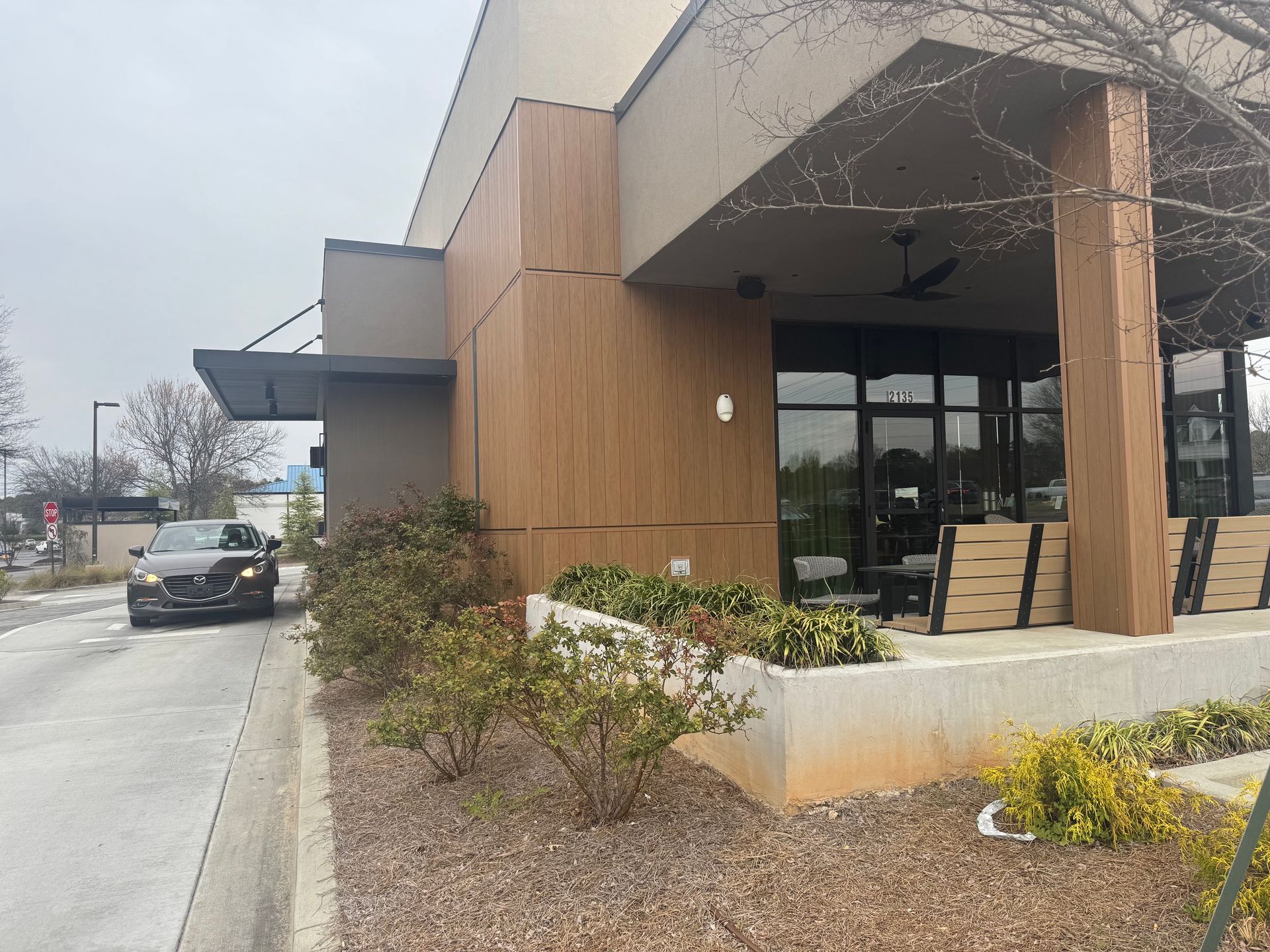
Here's where new tenants get surprised: most TI allowances are paid as a REIMBURSEMENT, not upfront cash.
The typical sequence looks like this:
1. You negotiate the allowance into your lease before signing
2. You (and your construction management team) submit plans for landlord approval
3. Work gets completed — often in phases
4. You submit invoices, lien waivers, and proof of completed work
5. The landlord reimburses you per the lease terms
Which means you'll usually need to fund the work first and recover the allowance after.
Plan your cash flow around that reality, and the whole process stays smooth.
Skip that step, and even a generous allowance can create a cash crunch mid-buildout.
How Much Should You Ask For?
In the Atlanta metro, commercial fit-out costs typically run anywhere from $75 to $250+ per square foot depending on build condition, finish level, and your industry's requirements — a medical suite with compliance buildout sits at a very different number than a simple office refresh.
That's why the smartest move you can make BEFORE lease negotiation is getting a realistic buildout estimate for the actual space. Walk into that negotiation knowing your real number, and suddenly the landlord's opening offer becomes a starting point instead of a ceiling.
Five Things Every Georgia Tenant Should Confirm Before Signing
→ The exact allowance amount and what it covers — in writing
→ Whether unused allowance converts to rent credit or disappears
→ The reimbursement schedule and documentation required
→ Who selects and manages the contractor (some leases restrict this)
→ Your realistic total buildout cost — so you know the gap you're funding
Where Construction Management Fits In
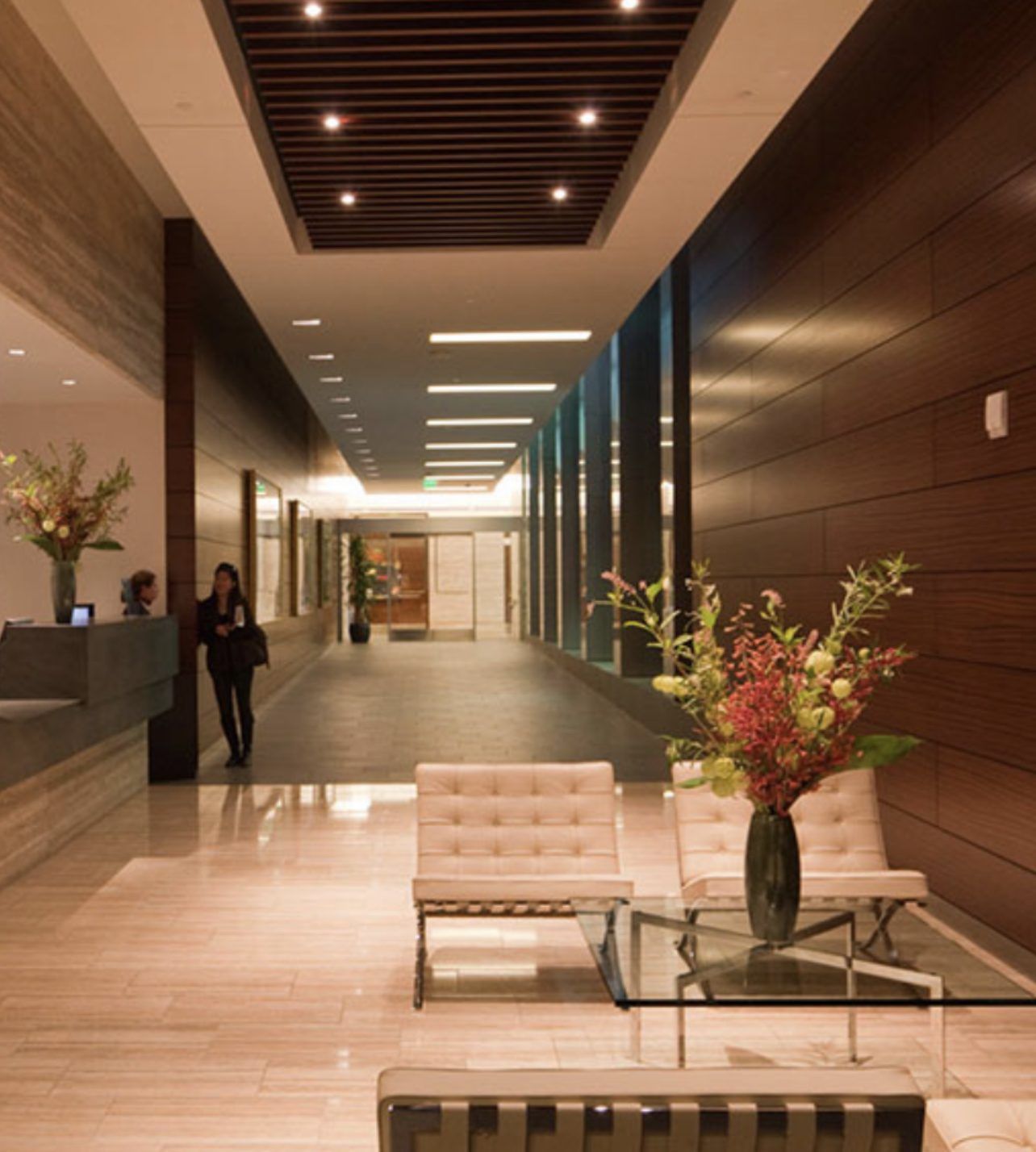
A TI allowance is only as good as the buildout it funds.
The landlord approves plans, the money flows on documentation, and the timeline ties directly to your lease commencement date — miss it, and you're paying rent on a space you can't open. That's the coordination game.
Art Design & Construction manages tenant improvement projects across Marietta, Woodstock, Roswell, and the greater Atlanta metro by coordinating our licensed commercial trade network under one accountable project manager — one point of contact, one timeline, one finished space delivered against your lease clock. From shell space to grand opening, the allowance gets you started. The coordination gets you open.
Do I have to repay a tenant improvement allowance?
Generally no — it's built into your lease economics. Landlords recover it through your rent over the lease term. That's also why longer leases often unlock larger allowances.
What happens if my buildout costs less than the allowance?
Depends entirely on your lease language. Some leases convert unused allowance to rent credit; others let it vanish. Confirm this in writing before signing — it's one of the most commonly missed negotiation points.
Can I use a TI allowance for a franchise buildout?
Yes — franchise tenant improvements work the same way, with the added layer of your franchisor's design specifications. See our franchise build-out page for how we coordinate franchisor specs, landlord approvals, and permits together.
How long does a typical tenant improvement buildout take in Atlanta?
Anywhere from a few weeks for a light office refresh to several months for a full restaurant or medical buildout. The critical number is your lease commencement date — your timeline should be built backward from the day rent starts.
P.S. — Negotiating a lease right now? Get your real buildout number BEFORE you sign. Call (678) 946-2301 or grab your project estimate, and walk into that negotiation knowing exactly what your space will cost to build.